Reader Question: How did we learn to play our instruments?
Kate, Jill, and Gabby were inspired as young teen girls to pick up instruments and teach themselves how to play, with help and encouragement from friends, and a multitude of musical influences.
We are thrilled with all the comments and questions we’ve gotten in response to our blog posts since launching our Substack. We’ll do our best to answer them all, so please keep them coming. Here’s a question from a subscriber named Troublehuff. They want to know how we learned how to play our instruments and what inspires our lyrics. Here’s their question:
I’ve always loved the impressionistic quality of the lyrics—I would study them in my CD booklet so I could sing along later. There’s a lot of mystery to them and so much room to add your own interpretations. Were there books/authors who you all were reading around this time period that influenced your writing?
And I learned to play bass by playing along to the albums and finding tab online on Sara’s fan page. What was the journey of learning your instruments, especially since everyone had such unique and identifiable ways of playing (Jill’s melodic bass lines, Gabby’s wah guitar which was almost like another form of percussion) that really stood out from the crowd on the radio!
Jill: Joni Mitchell, a two-stringed guitar, and the Sex Pistols…
Jill: Thanks for the question, Troublehuff! As a lyricist, I was influenced by post-punk, like Wire and The Fall, Neneh Cherry, and also Rakim (of Eric B and Rakim), and the first two Bruce Springsteen albums, where he’s super poetic and urban. Joni Mitchell; Leonard Cohen. The authors I was reading over the years were Toni Morrison and Vladimir Nabokov, among others.
I grew up in a musical home— my mom was a piano player and singer like her mom, whose family were traveling Vaudeville musicians. My dad was a music fan and record collector who loved everything, especially jazz— Miles Davis and John Coltrane.
My first time playing a guitar was a two-string acoustic that was sitting around at my friend Tania’s house. I figured out how to play the Sex Pistols “Somethin’ Else” (their cover of an Eddie Cochran song). By 16, I was serious about guitar, taking lessons at Greenwich House Music School (same spot as the toddler eurythmic dance class in an earlier post). I bartered for the lessons by teaching a toddler art class.
The lessons were helpful, but unfortunately, the instructor was pretty checked out. He was a classical guitar teacher who would rush into the lesson, sweating after his tennis game. Not so inspiring. But I learned fingerpicking (Blackbird, by The Beatles). I remember sitting in my apartment hallway, making my way through that song and the sheet music (no thanks). I had the base-level classical guitar recommended by Matt Umanov Guitars on Bleecker Street. Kudos to them for recognizing that I’d do best learning with that easy guitar.
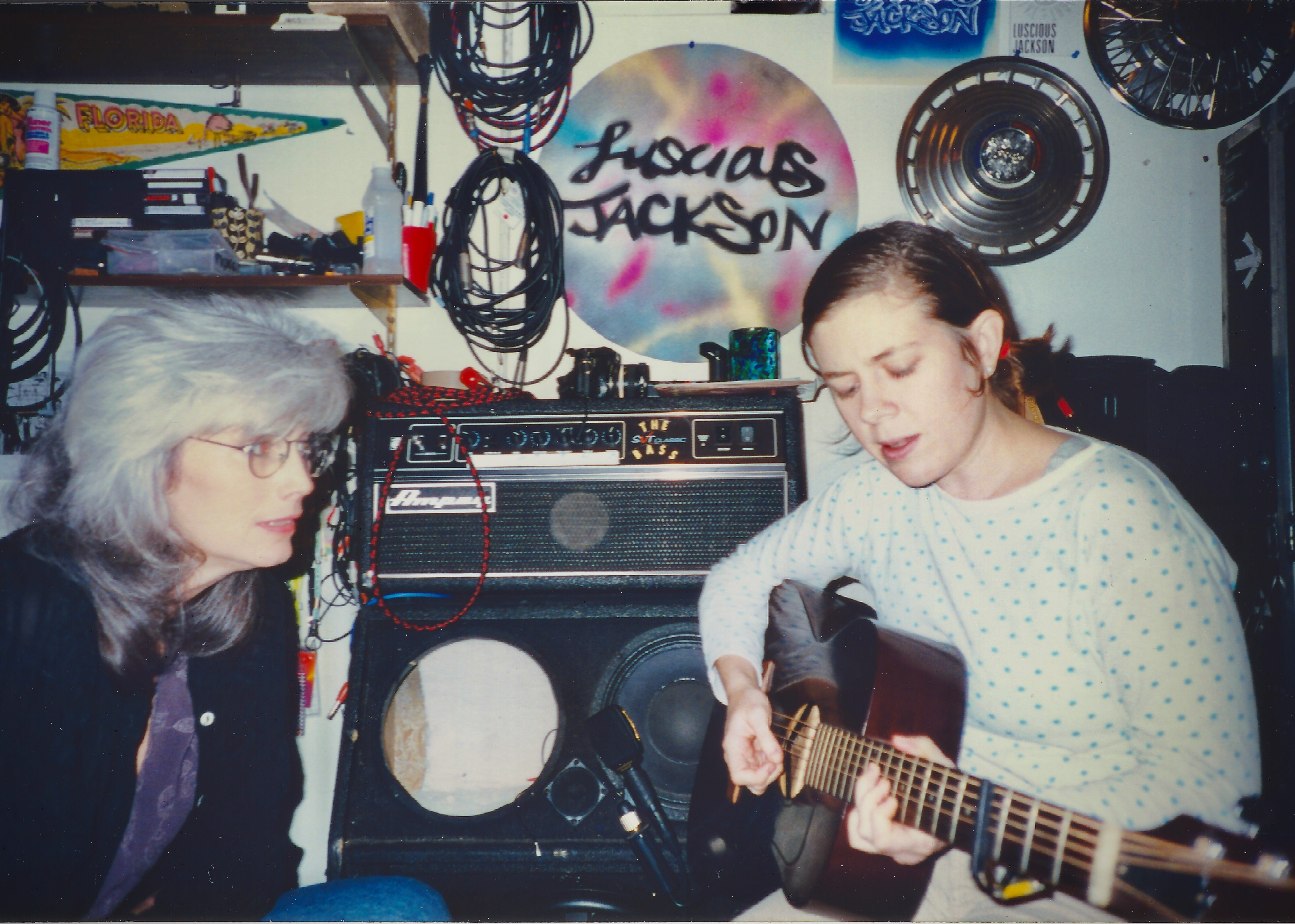
The lessons paid off—Many years later, playing acoustic guitar and singing with the great Emmylou Harris during ‘Fever In Fever Out” recording sessions at Kate’s loft
Choosing an electric guitar
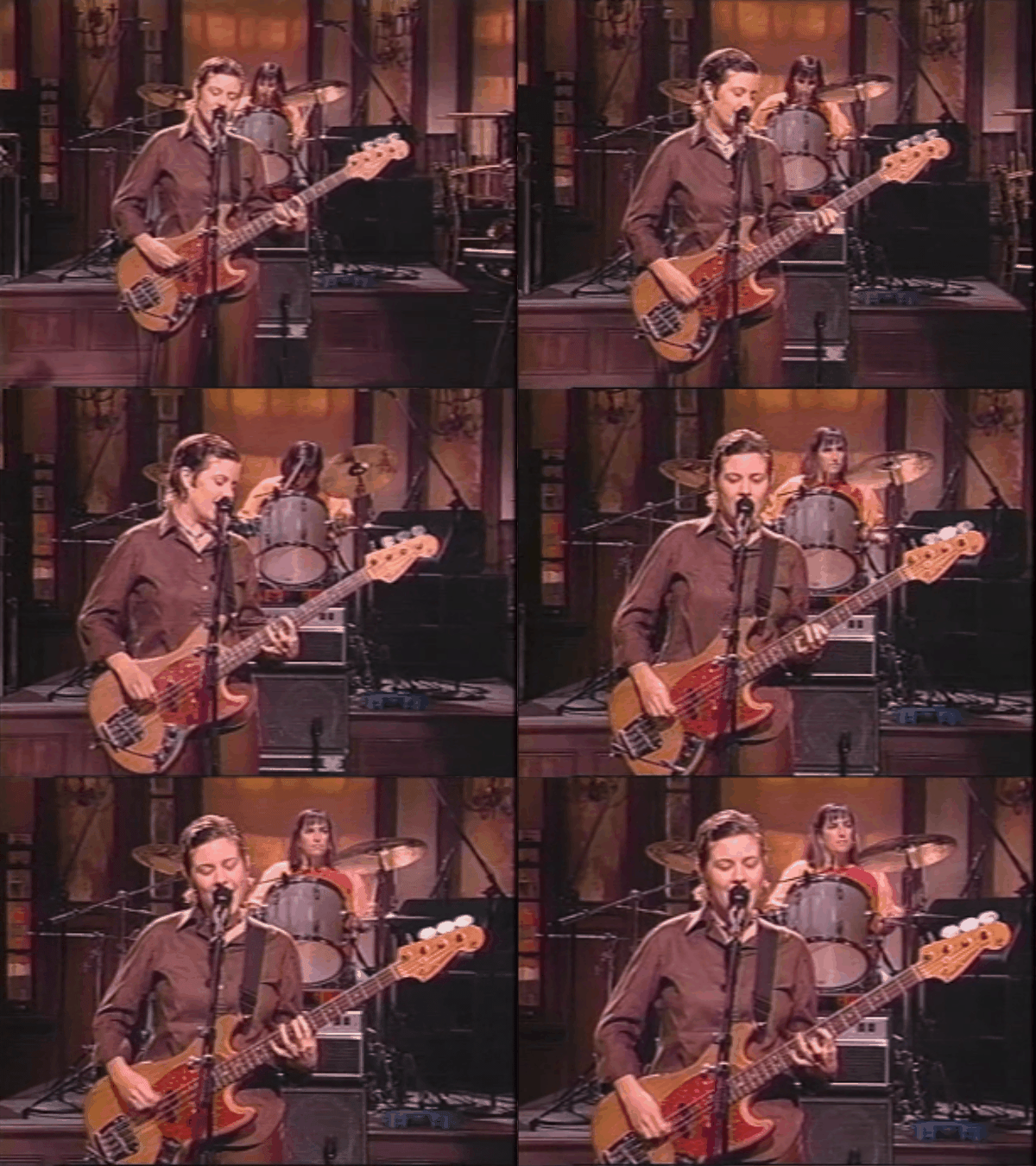
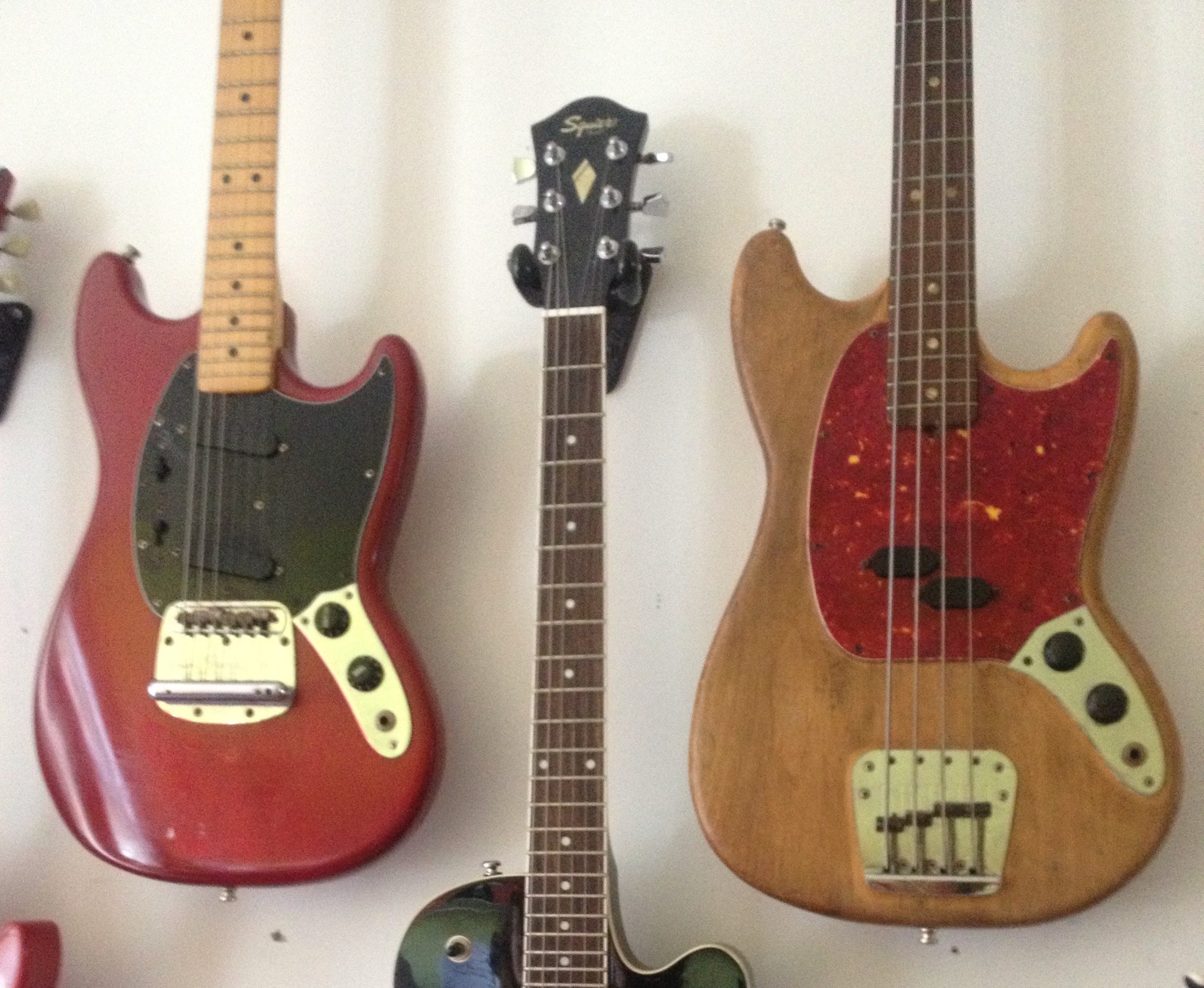
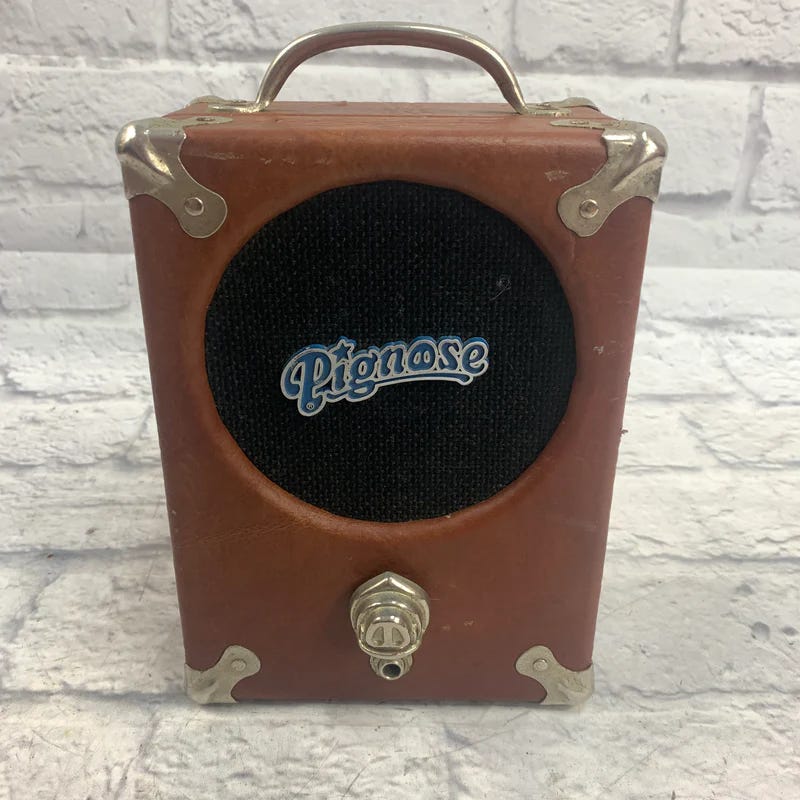
Next came electric guitars: Memorably, I went with my dad to St. Mark's Guitars and picked out a low-cost ‘70s hot pink Mustang guitar. Still have it. I paired it with a Pig Nose amp that made distortion easy. The amp was tiny, and a lot of street performers used this model because it was rechargeable. I added a Fender Mustang bass shortly thereafter, which I quickly learned to play. Mustangs have a shorter neck and are better for smaller hands, and are typically less expensive than other models. This very bass shows up on our Saturday Night Live performance of “Here”:
Jill’s Fender Mustangs- guitar and bass.
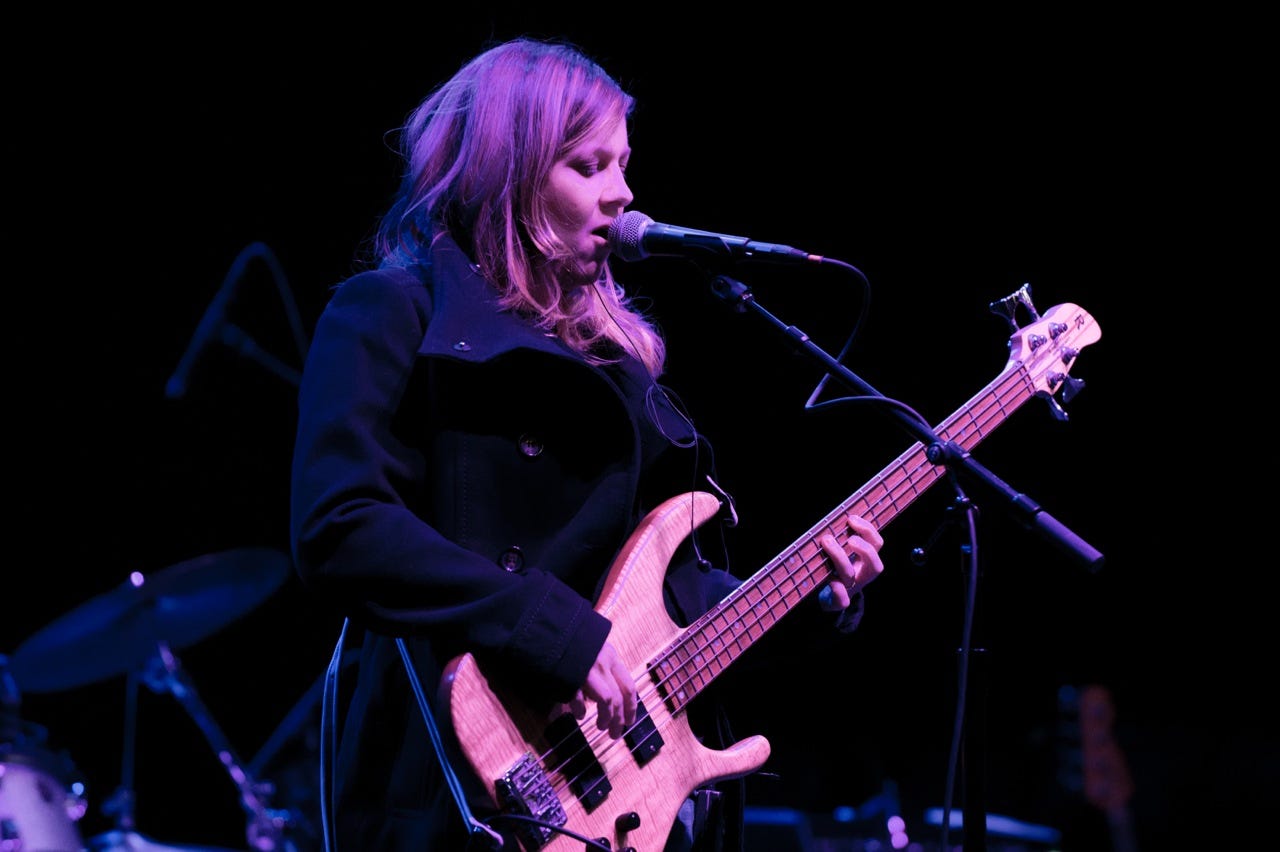
Eventually, I had other basses, including a custom bass made by the luthier Jack Read. It came out of an interview I did in Bass Player Magazine, where I talked about the difficulty of finding smaller-scale basses ( I’m 5’3” ). The Read bass was used on Fever In, Fever Out, and Electric Honey.
Jill playing her custom Jack Read bass, photo by Doug Seymour
Ready to make noise
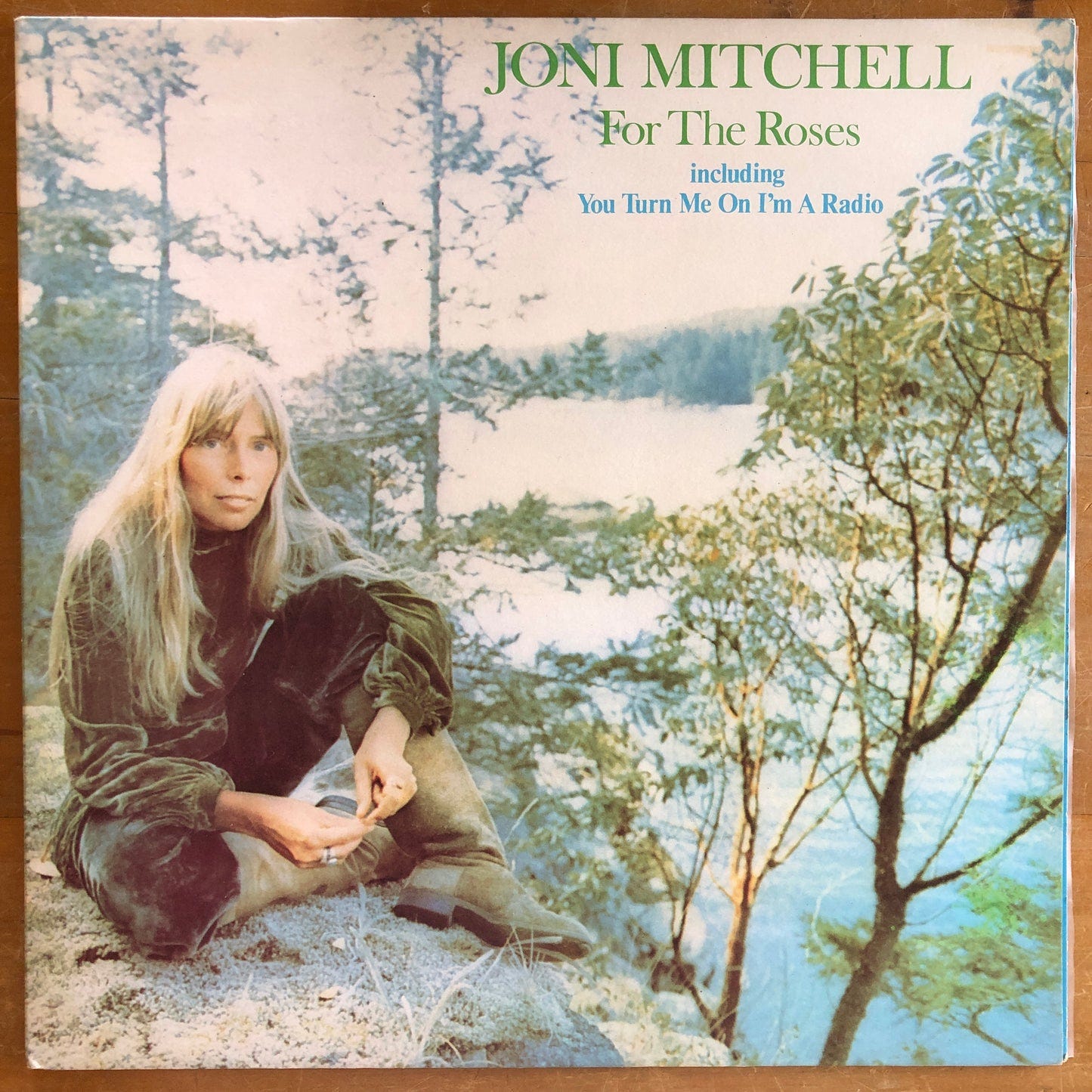
Now I was set to make a lot of noise! I played punk songs and originals. At this time, I also was given a gift of a steel-string acoustic guitar and a Joni Mitchell record (For the Roses) by my friend Brook Bartlett and her aunt Geraldine. It was a big, jangly guitar that went well with the Joni.
I just sat around my bedroom forcing my fingers into bar chords (hi Brook!) and got a book of chords that was an endless encyclopedia. After that, I wrote songs, sang in my room, and played in bands. I got tips along the way from other musicians, like a bass lesson from Adam Yauch. I studied vocals with Marni Nixon, who was the singing voice of “Maria” in the original West Side Story, among others.
GABBY: The best $25 I ever spent
GABBY: Troublehuff, thanks for the thoughtful question! I likely bit my percussive guitar style you mentioned from Viv Albertine of The Slits. She did a lot of that on their 1st record “Cut”.
When I was 13, I had a best friend named Joanna Seetoo who got me into punk and all the great music at the time. She had two sweet older brothers who had a band, “Nekron 99” that played Max’s and CBGBs a lot. They’re the ones who taught her guitar, so in turn, she taught me at their apartment in Confucius Plaza, in NYC’s Chinatown. She taught me all the open chords, bar chords, and then some riffs like The Ramones' ‘California Sun’, the Clash’s ‘Brand New Cadillac’, and Television’s ‘Marquee Moon.’
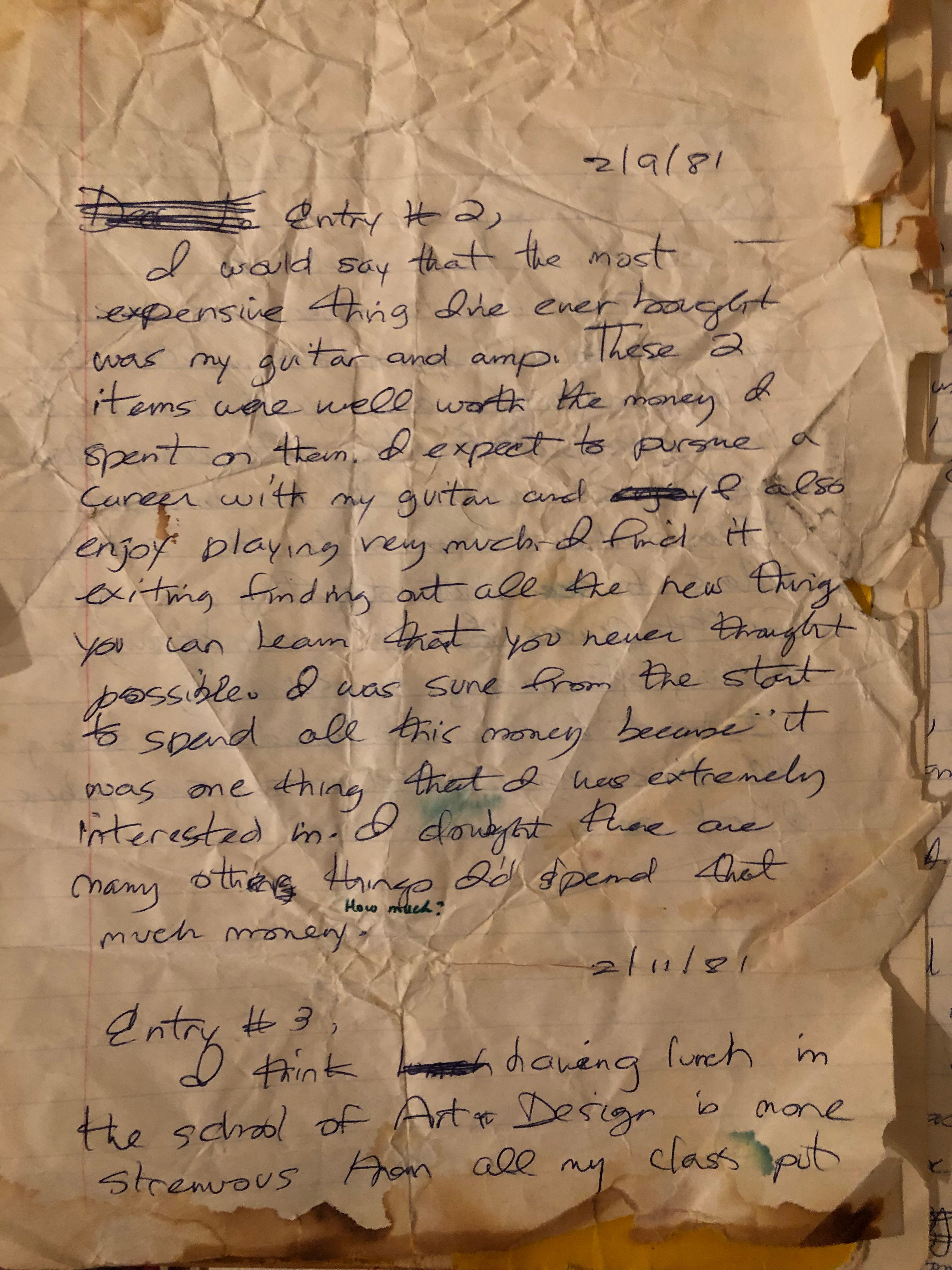
The first guitar I ever bought was a sunburst Stratocaster copy. I bought it from a musty pawn shop on 3rd Ave and 10th St. for $25. The sound was kinda tinny, but it was fine for a while. I was a big fan of the Cramps, and it naturally sounded to me like Poison Ivy’s guitar, even when it wasn’t plugged in. I found a high school assignment from when I was 15, where I wrote I was expecting to “pursue a career with my guitar,” so spending $25 would be worth it! Here’s the assignment:
2/9/81
“ I would say that the most expensive thing I’ve ever bought was my guitar and amp (it was a Pignose amp- same as Jill- and same as Kim Gordon according to her book). These 2 items were well worth the money I spent on them. I expect to pursue a career with my guitar and I also enjoy playing very much. I find it exciting finding out all the new things you can learn that you never thought possible. I was sure from the start to spend all this money because it was one thing that I was extremely interested in. I doubt there are many other things I’d spend that much money on.”
A Beastie Boy smashed my first guitar!
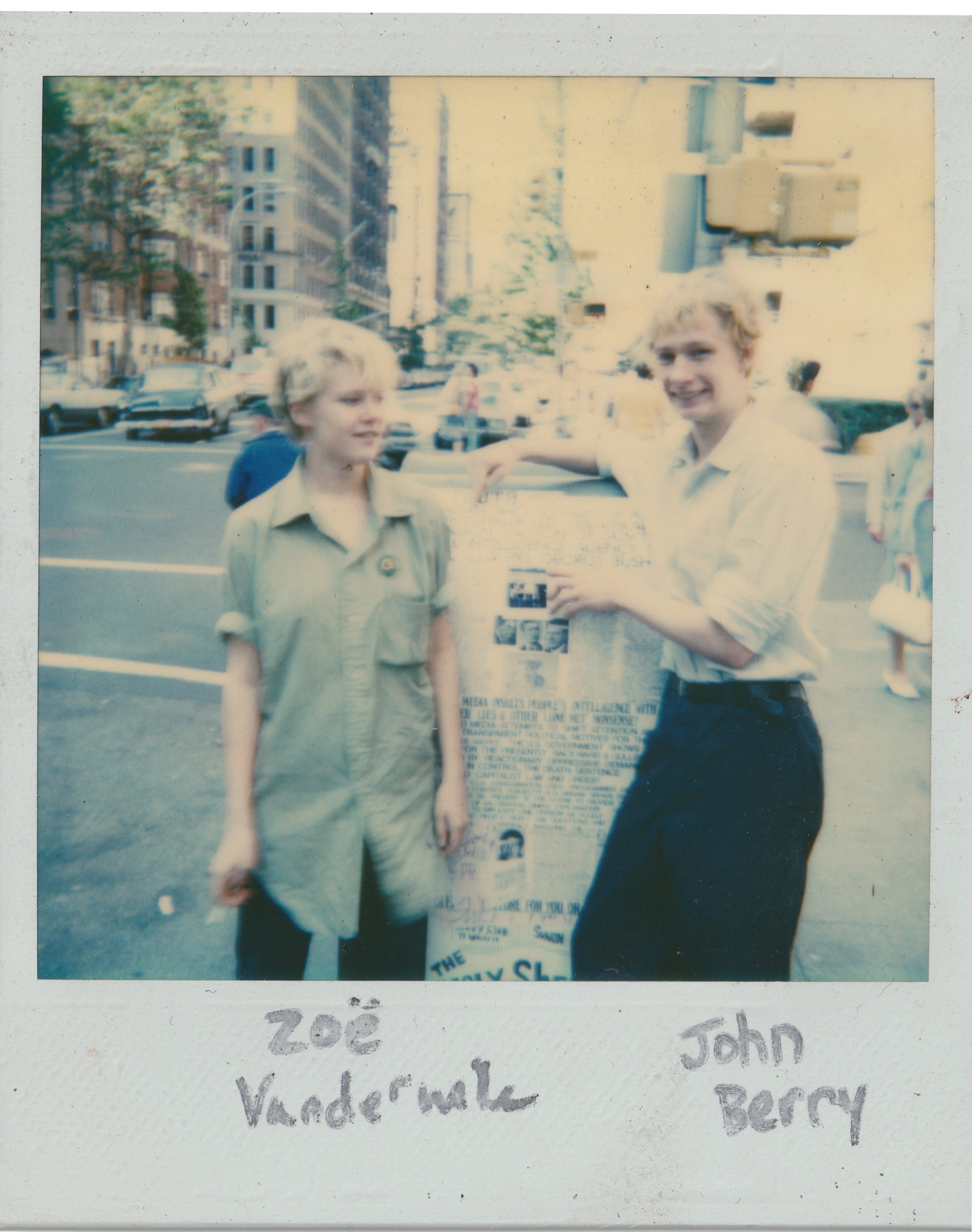
GABBY: I had lent my first guitar to my friend Zoe, and she said John Berry (Beastie Boys founder and guitarist) smashed it. Believe it or not, I didn’t mind because I adored the guy. I assumed he was buzzed and having fun. RIP John… I got my 2nd guitar on 48th Street, at a store on the intimidating ‘Music Row.’ Fortunately, my sales guy was cool and patient, letting me try a bunch of guitars. One of them was a black Les Paul copy that sounded really great (it looked like the kind Mick Jones from The Clash played). I told him I’d buy it, but then I stood up with it and it was so damn heavy! I settled on a black Hondo II- a Strat copy that was way lighter and just fine.
Zoe and John Berry, Beastie Boys founder, and Gabby’s guitar-smasher
Wah-wah pedals, The Paul, and the golden gift of a Fender Mustang
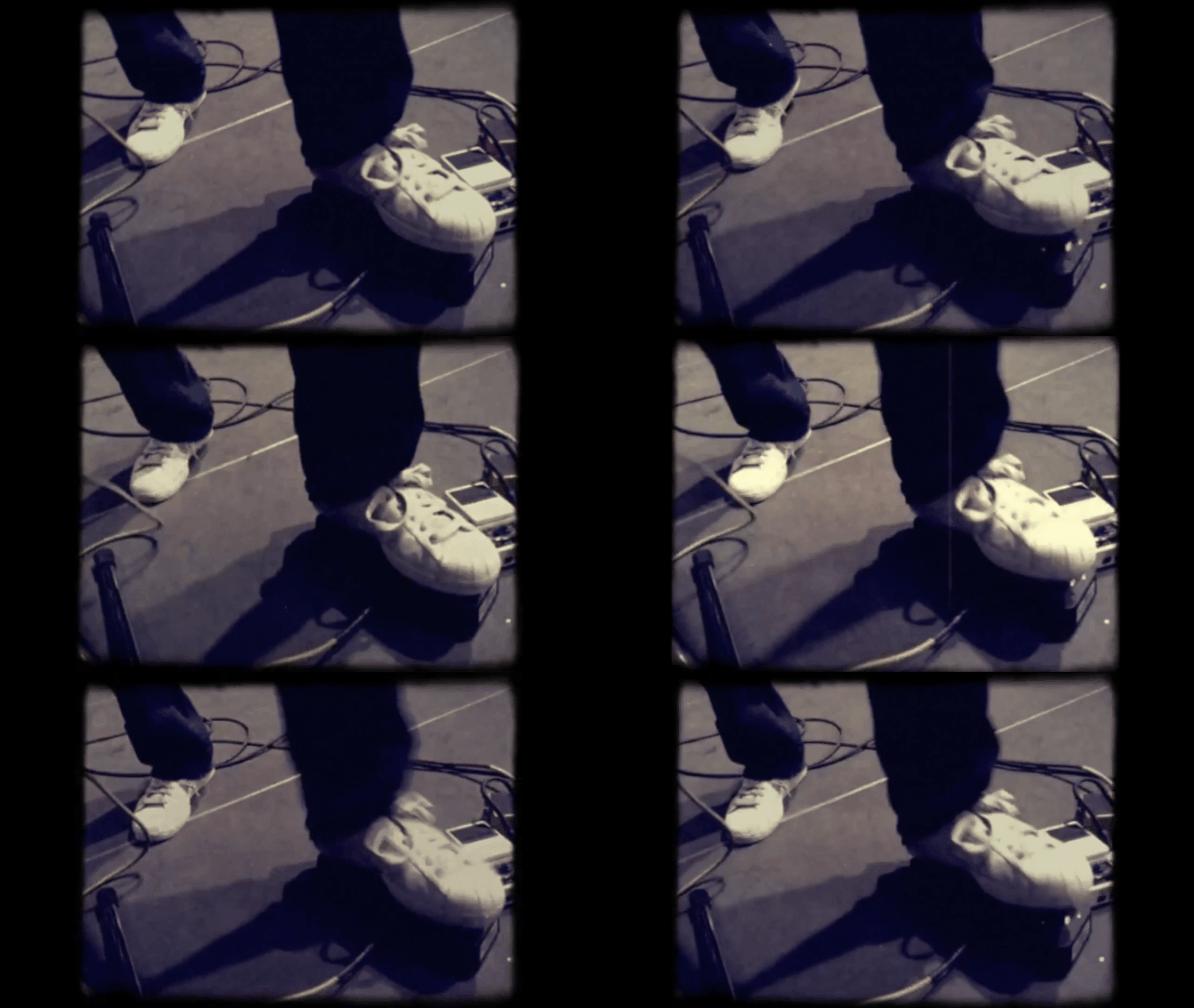
I can’t recall specifically how I got into the wah wah pedal- I do love Jimi Hendrix - both his guitar playing and his vocals, and I love everything by Curtis Mayfield; both of them used a lot of wah. My go-to wah pedal is the Crybaby Fuzz Wah. Great distortion and wah combo.
Gabby staples: Wah wah pedal and shell toes…
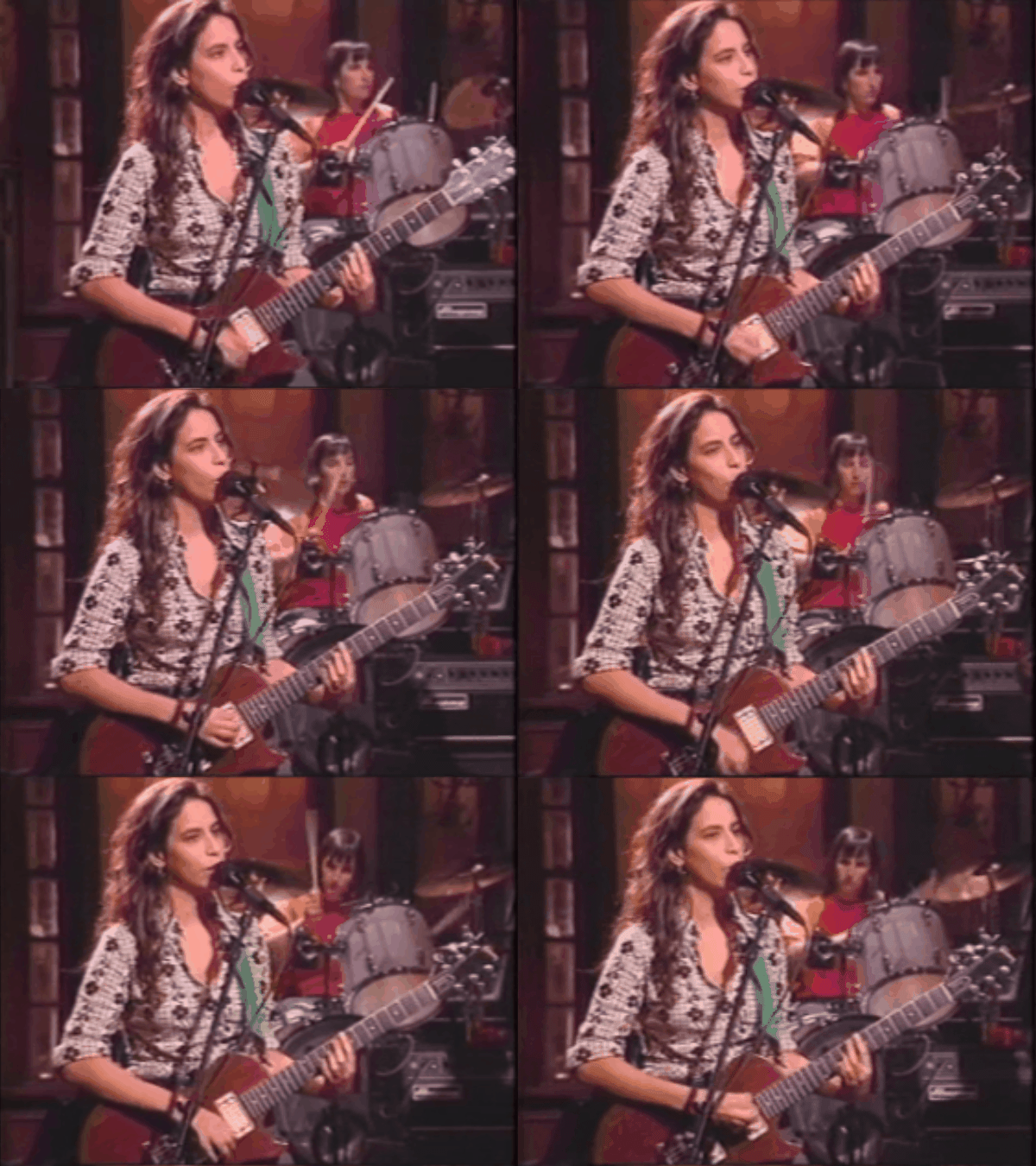
On tour, I played a Gibson electric guitar called ‘The Paul’ – a nice and sturdy guitar for touring. It was smaller and lighter than a regular Les Paul, but still gave a rich sound. I got it up at Dan’s Chelsea Guitars on 23rd St near the Chelsea Hotel. Jill helped me pick it out.
Gabby playing The Paul on Saturday Night Live
My all-time favorite guitar is a black Fender Mustang with a gold pick guard. When we were recording ‘Fever In Fever Out’ with Daniel Lanois at his Kingsway Studio in New Orleans, I found Dan’s guitar all by itself upstairs. The neck felt like magic as soon as I picked it up, and I tried to buy it off him. He refused and said, ‘Oh, that thing!? You could pick that up cheap at any old music store…” A few weeks later, a huge box arrived at Baby Monster Studios in NY (where we were finishing up the record) with a very sweet letter from Dan, gifting me his guitar!!
Gabby playing her Lanois-gifted Fender Mustang, Photo by Anka Itskovitch
Most amazing gift ever! And incidentally, it wasn't just your run-of-the-mill Mustang. He had personally customized it with a neck from ‘68, special pickups, and ivory tuning keys. It’s still my most treasured possession.
Kate: found drumsticks, a borrowed drum kit, and playing along to records
KATE: Last week, I wrote about being inspired at 13 to play drums after seeing The Student Teachers at CBGBs. I brought home a discarded drumstick that night and made it a point to scour the clubs after shows to add to my collection. My upstairs neighbor, James, was in a Rockabilly band, and he kindly lent me a snare drum on a stand. I set it up in front of some giant, thick cardboard boxes and created my first “kit.” I played on the boxes and snare until I busted holes through the cardboard. Lucky for me, a friend of my mom’s was leaving NY for a year and asked if she could store her drums at our loft. My mom agreed, but as long as I could use them while she was away. I played along with my favorite records— The Clash, Blondie, X-Ray Spex, Gang of Four, The Slits, etc., trying to decipher the drum parts. The great thing about punk rock was you didn’t have to be a virtuoso.
I was hooked and used my savings to buy my first kit from a kid at school— it had a giant kick drum and no bottom heads, with the brand name “Jet”. Super loud and fun to play. It came with some crappy cymbals, and for the longest time, all my cymbals were cracked.
The first time playing with other people
The first time I had the nerve to play in front of anyone was one late night when my mom was out of town. Some cool older girls I’d befriended (including musician AC Chubb, pictured below) came to my loft after we saw a show. They saw my drums and encouraged me to jam with them (it was probably 3 AM- sorry mom!). I played a couple of basic beats, and they played along on my mom’s acoustic guitar and sang made-up lyrics on the spot. Turns out, that’s all I needed. After that magical night, I was a “real” drummer. My mom is musical too, so she tolerated my musical hobby.
AC Chubb (Mofungo) & Nick Marden (Even Worse, The Stimulators) from AC’s Facebook
The band that morphed into Beastie Boys
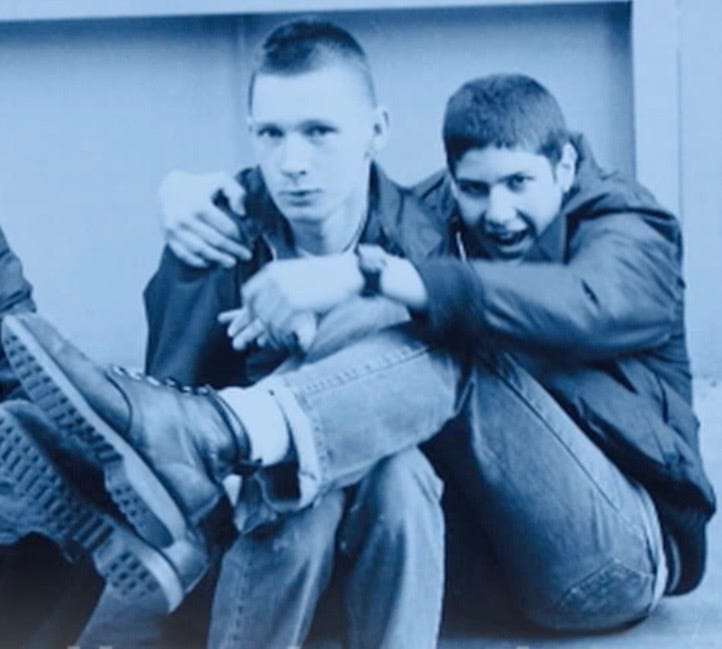
Soon after, I met my future Beastie Boys bandmates, Mike Diamond and John Berry:
John Berry & Michael Diamond, photo by Arabella Field
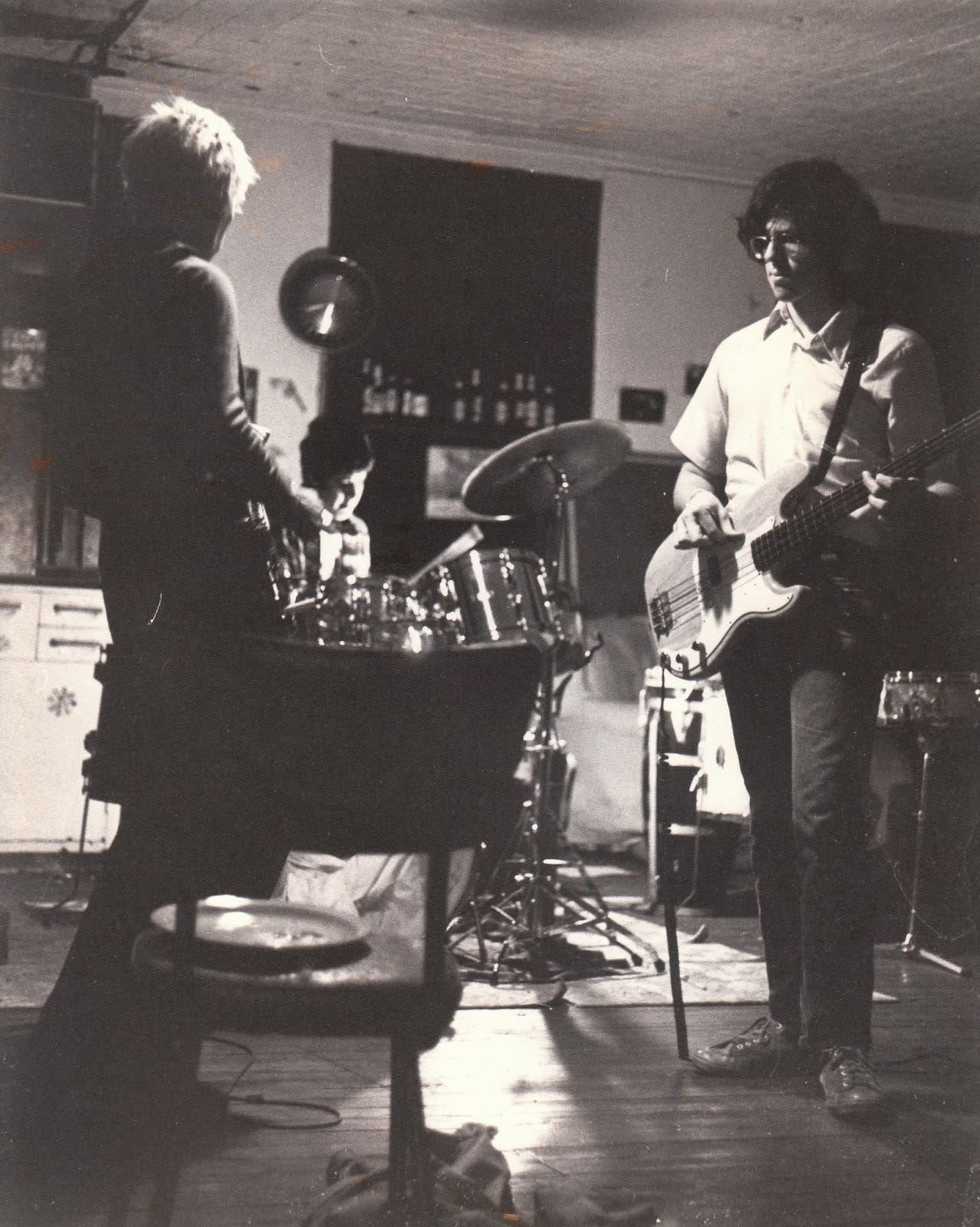
They told me about their band, Young Aborigines, and I mentioned I was a drummer. Mike was their drummer, but they wanted to add a percussionist, so they invited me to a rehearsal. John played guitar, and Jeremy Shatan played bass. I arrived at John Berry’s crazy loft on 100th and Broadway and put together a percussion rig with whatever was lying around— a conga, a snare drum with no snare wires, a floor tom, and a trashed cymbal. I locked into Mike’s inventive and funky playing.
John Berry, Mike D, Jeremy Shatan, with my percussion rig behind him- from Jeremy Shatan
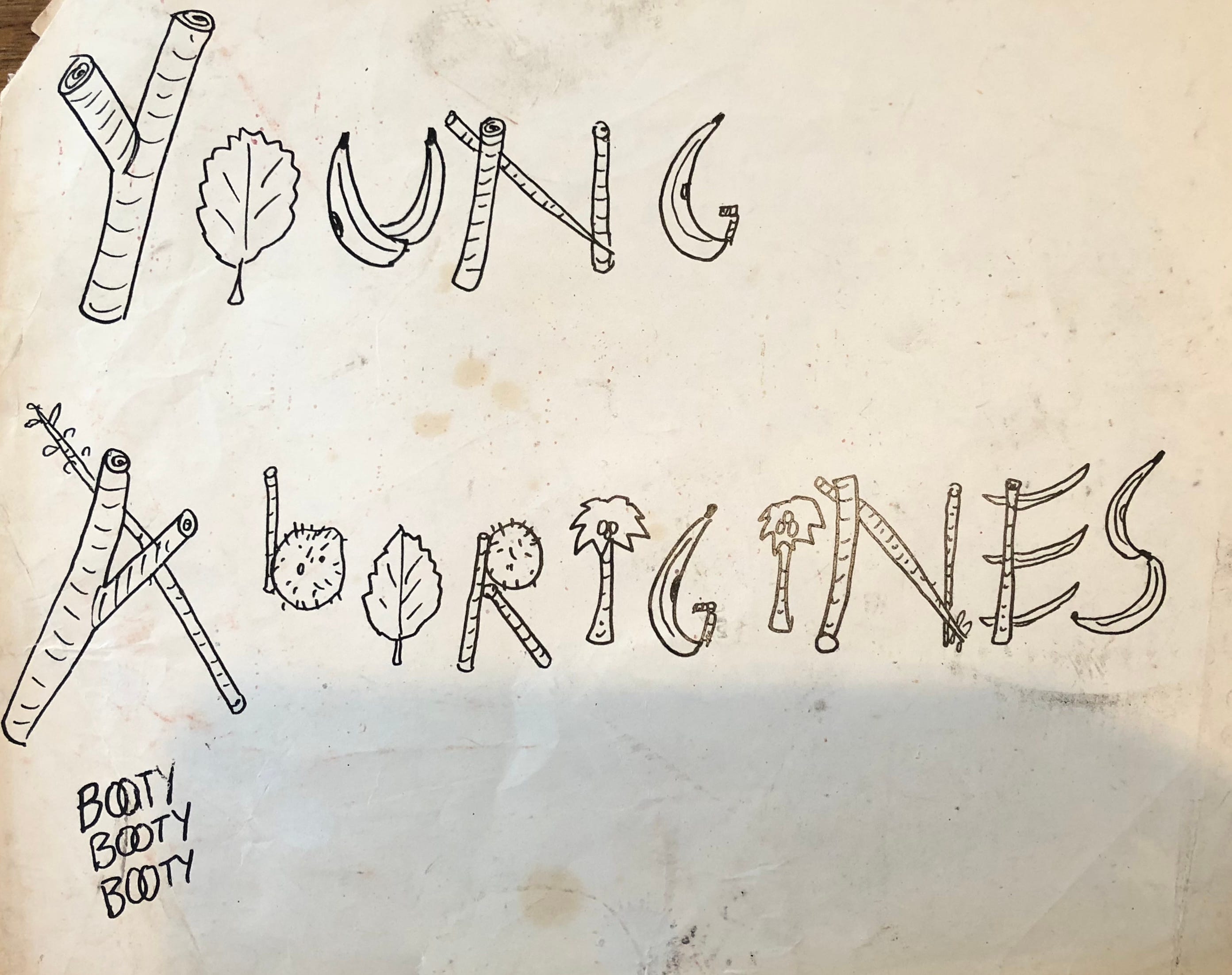
The band was inspired by Public Image Ltd. and Siouxsie and the Banshees and had sort of a tribal, repetitive, post-punk, funky sound. They asked me to officially join the band- my first real band! I designed our logos:
The Young Abs played two shows and eventually morphed into Beastie Boys— Mike switched to singing, Adam Yauch joined (Jeremy left), and I took over the drum throne. But that’s a story for another post!
Hitting a wall and finding a true mentor
I had taught myself a lot by playing along to my favorite records and intently watching other drummers play live, but after 10 years, my skills plateaued, and I needed help. I started taking lessons with the great Paula Spiro who I found through an ad in The Village Voice. She taught me so much- how to read and write drum notation, how to set up my kit ergonomically, and the correct way to hold my sticks. She explained rudiments, dynamics, ghost notes, how to tune and care for my drums, how to slide my foot on the kick pedal, and so much more. She was a huge musical mentor to me, and I’m forever grateful for her guidance and knowledge. Most importantly, she was the first person who told me I could play drums professionally. I’m so grateful for all the encouragement I got from my friends, family, and fellow musicians, and the companies who supported me over the years: Zildjian, Ludwig Drums, and Vater Percussion.
We were so lucky to grow up in a scene where it didn’t matter that we were girls or teens, as long as you were committed to music and being creative, you’d find your place and flourish with like-minded folks.
P.S. Gabby, are you sure it was John Berry who smashed your guitar? Kate: Uh…Oopsies…
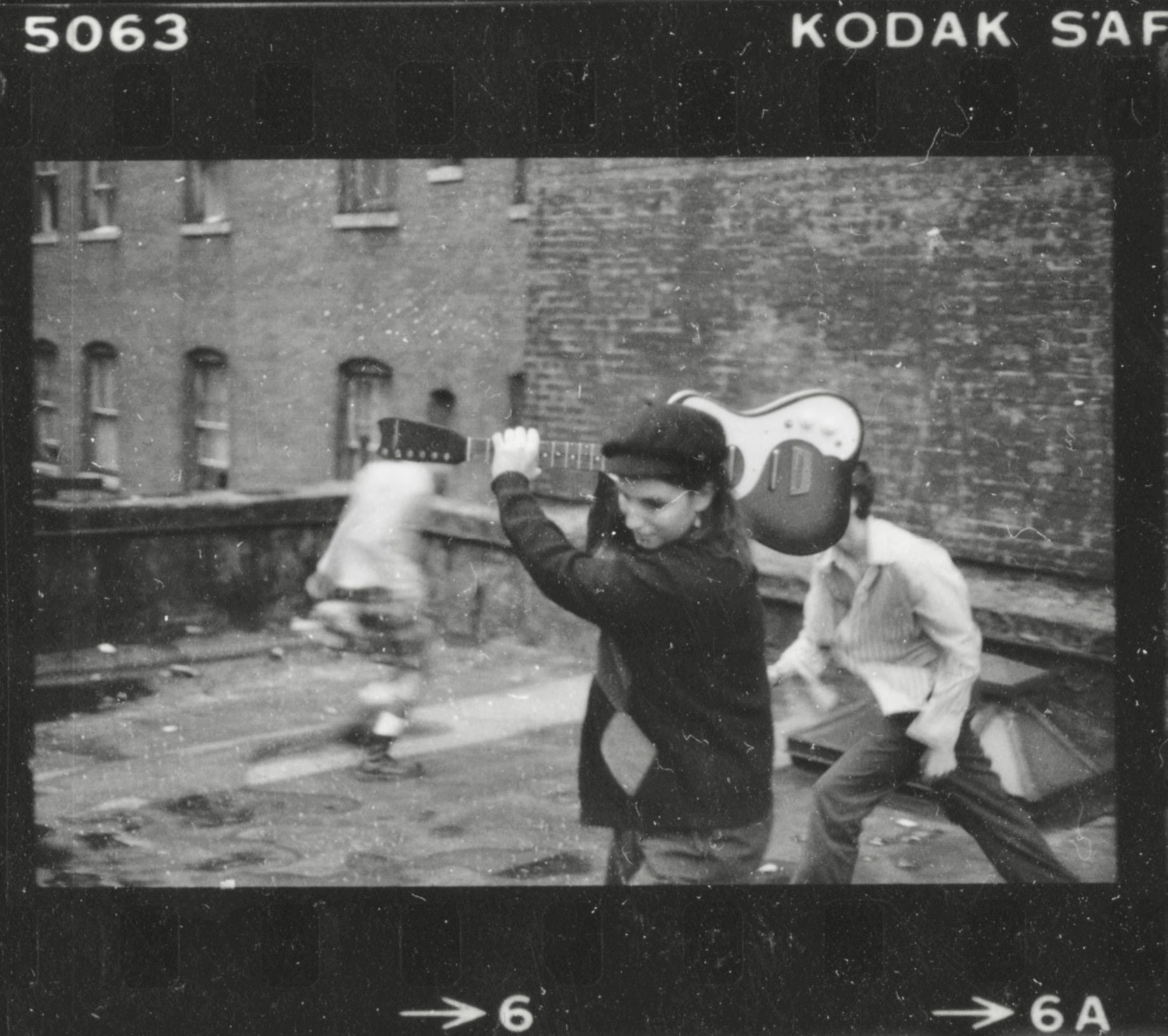
Photo of Kate on John Berry’s roof by Jeremy Shatan. Is that Gabby’s guitar? 😚
Thanks for reading our Substack! Subscribe for free to receive new weekly posts! Please share and comment below.
You know, I love the way y’all remember so clearly how each ‘milestone’ instrument you played was acquired. I think we all have those memories; that’s what makes old fashioned instrument stores so irreplaceable (I could tell a long story about the Korg Electribe EM-1 that sparked my love for songwriting and electronic music!), and it all came because of some kick-ass sales folks down in Birmingham, AL.
While the band hasn’t released an album in a while, do you guys find that the songwriting fuel is still alive? In a world where it’s never been easier to record home studio demos, does that keep the songs coming when you find free time?


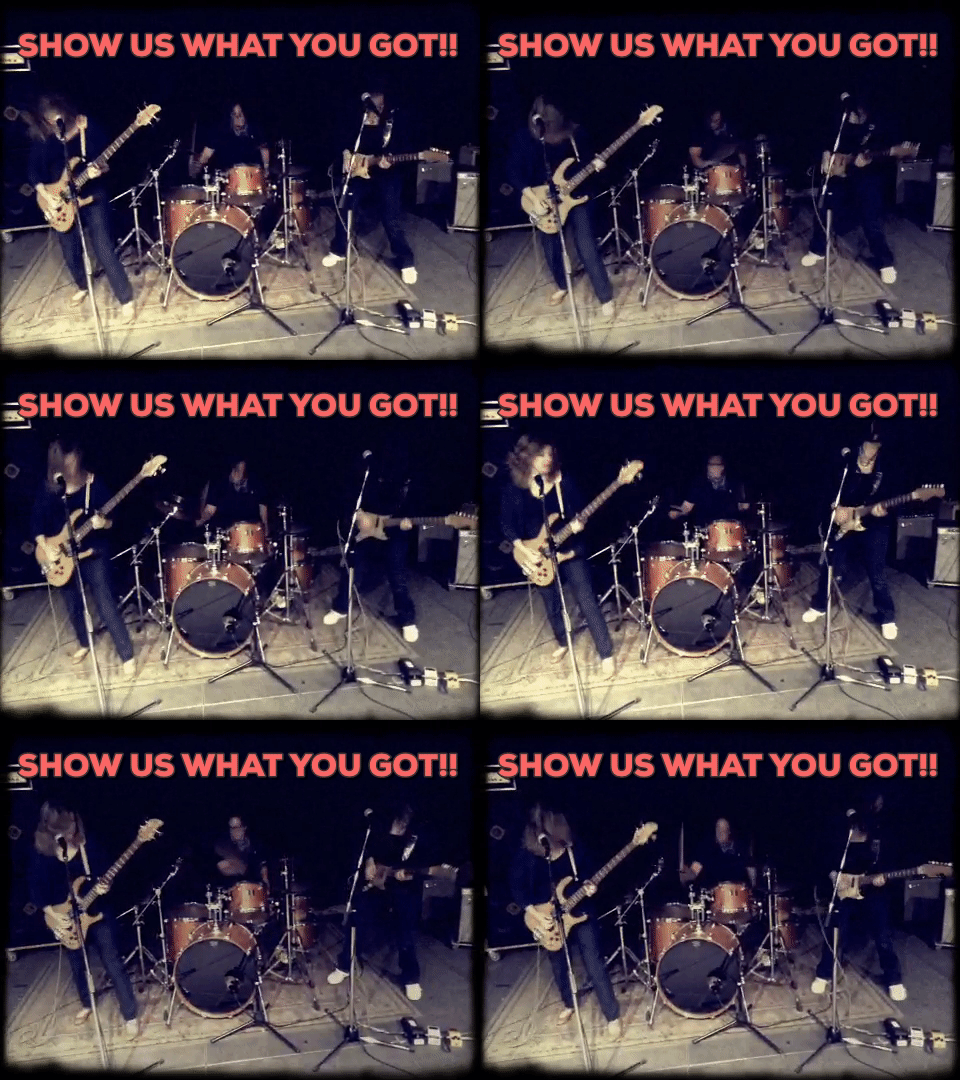
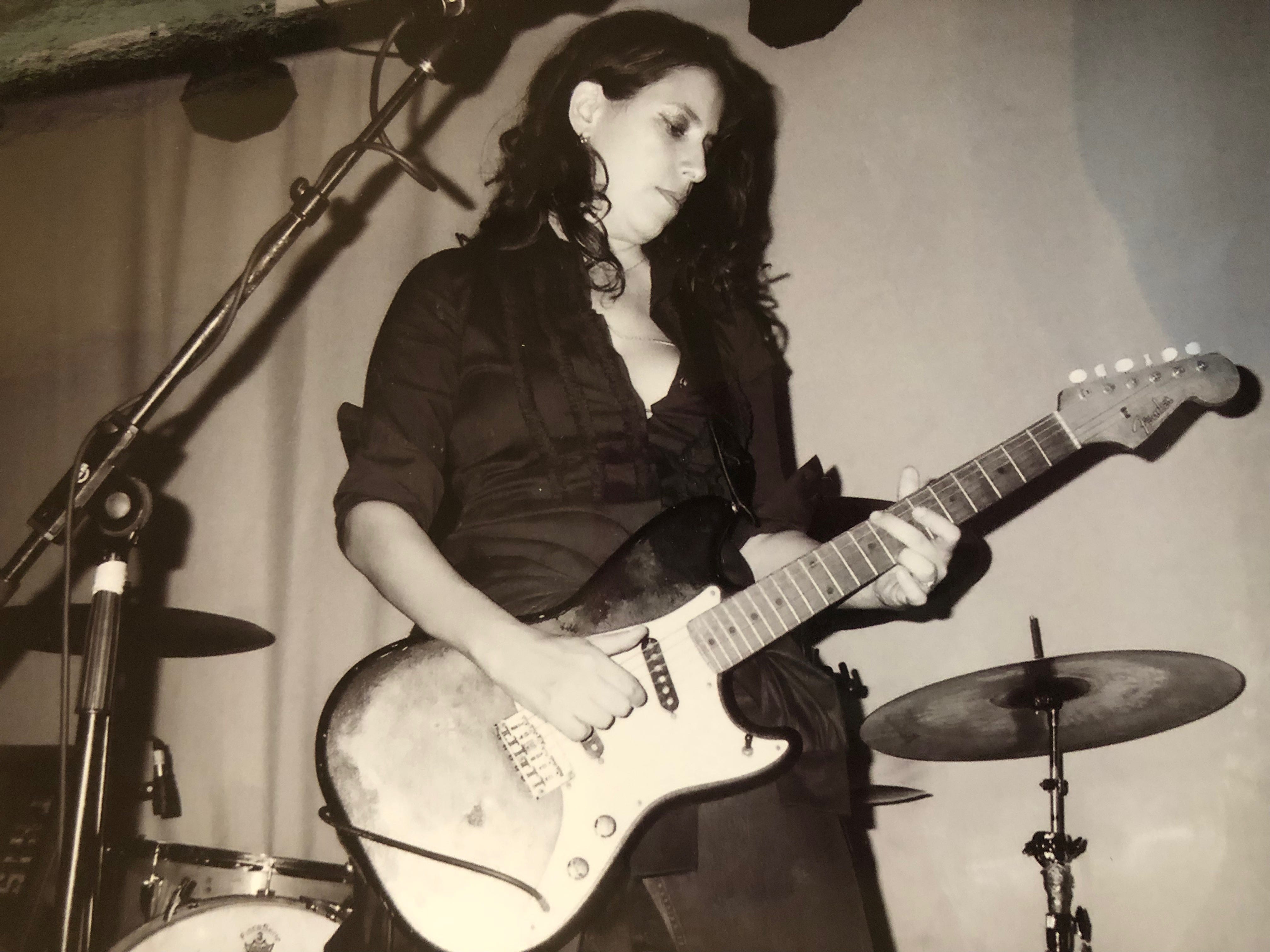
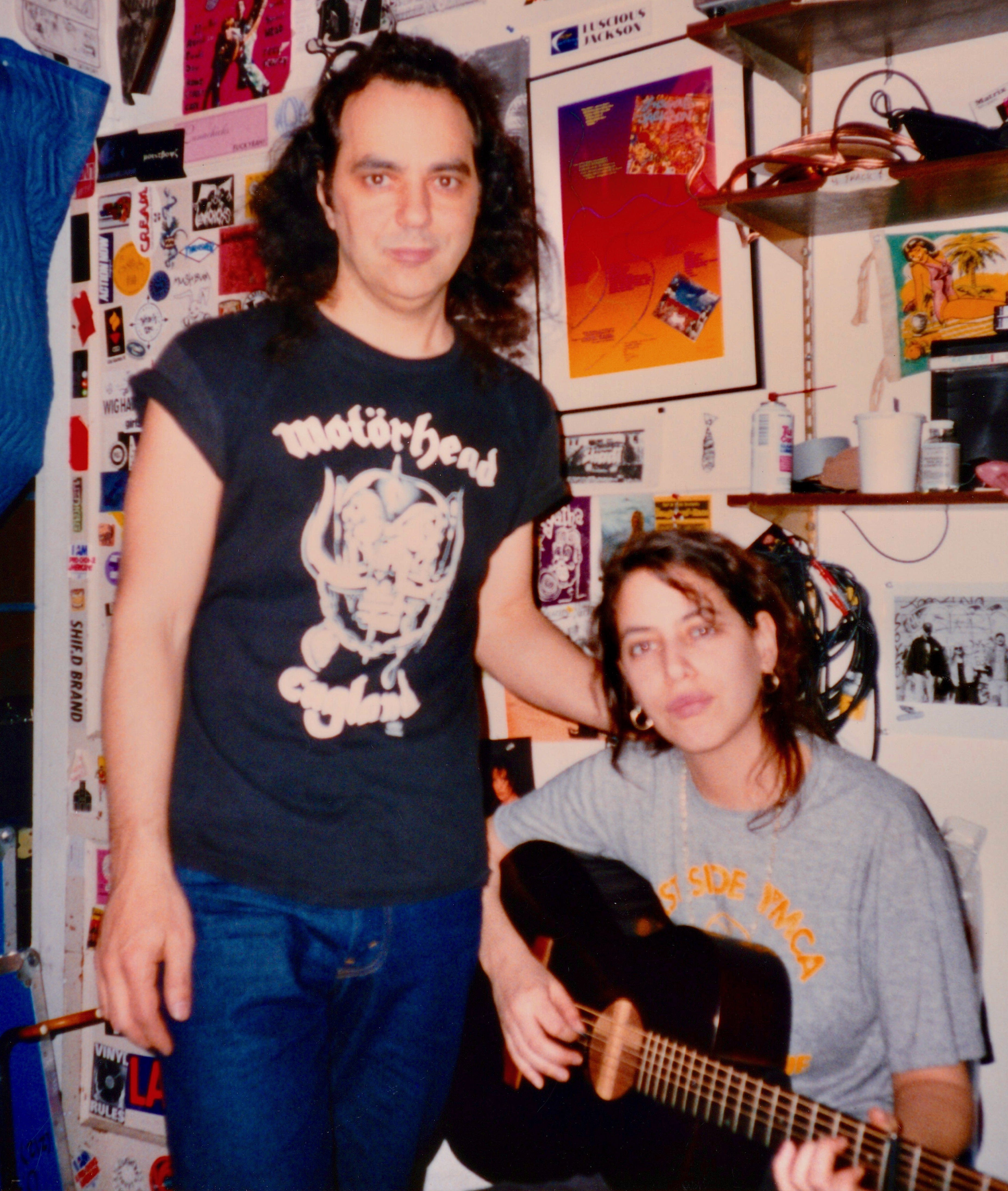
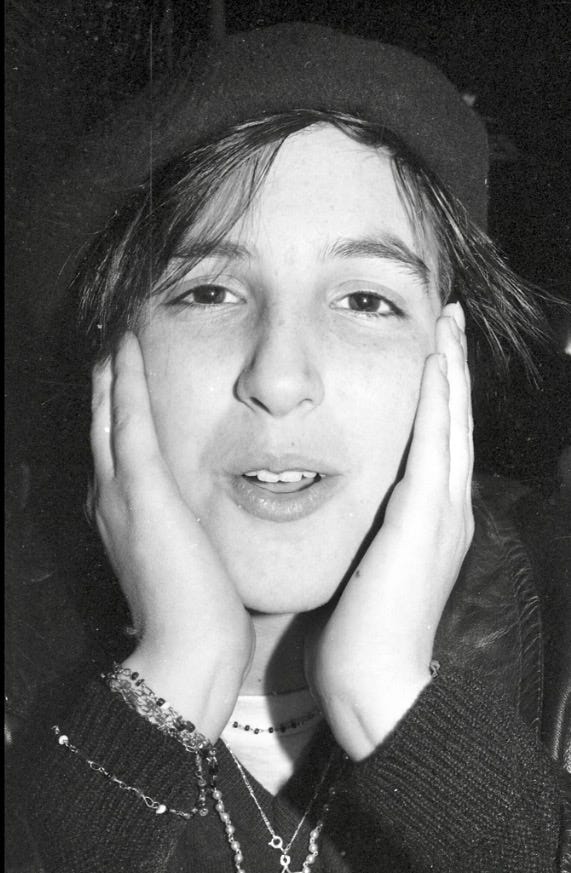
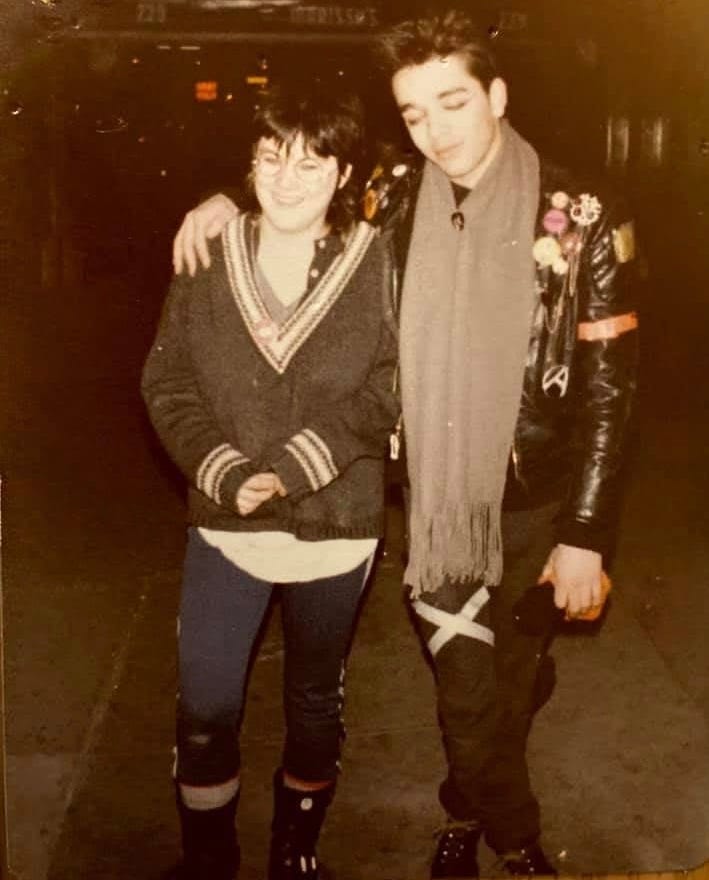
P.S. I don’t think any guitars were harmed while I was taking those pictures 😂😎🎸🤘🏻
Another really insightful read. Loved it.
You know, I love the way y’all remember so clearly how each ‘milestone’ instrument you played was acquired. I think we all have those memories; that’s what makes old fashioned instrument stores so irreplaceable (I could tell a long story about the Korg Electribe EM-1 that sparked my love for songwriting and electronic music!), and it all came because of some kick-ass sales folks down in Birmingham, AL.
While the band hasn’t released an album in a while, do you guys find that the songwriting fuel is still alive? In a world where it’s never been easier to record home studio demos, does that keep the songs coming when you find free time?
Have a great week!